
Why Are Cockroaches So Hard to Eliminate? A Complete Guide to Understanding Persistent Infestations

pest control

You switch on the kitchen light late at night and catch a glimpse of something darting across the floor before disappearing into a tiny crack. It happens so quickly that you may question what you saw, but the uneasy feeling remains. For many homeowners, spotting even a single cockroach raises immediate concern because these pests are known for multiplying quickly and hiding exceptionally well. What makes the situation even more frustrating is that getting rid of them is rarely as simple as eliminating the few that are visible.

Cockroaches have survived for millions of years by developing remarkable survival abilities that allow them to adapt to changing environments and avoid many common control methods. Understanding why cockroaches are so difficult to eliminate can help homeowners recognize the importance of early action, proper prevention, and comprehensive pest management. Contact Ben’s Pest Control for more details.

Why Cockroaches Are Such Successful Survivors

Cockroaches are among the most adaptable pests found in residential and commercial environments. Their ability to survive under a wide range of conditions is one of the primary reasons they are so difficult to eliminate. These insects require only a few basic necessities to thrive, including food, water, shelter, and warmth. Unfortunately, most homes naturally provide all of these resources. Tiny food crumbs, moisture from plumbing fixtures, and dark hiding places behind appliances or inside walls create ideal conditions for cockroach populations.

Cockroaches are also highly resilient. Some species can survive for extended periods with very little food and can tolerate environmental conditions that would be challenging for many other insects. Their flattened bodies allow them to squeeze through extremely narrow gaps, making it easy for them to hide in areas that are difficult to inspect or treat. Their remarkable adaptability means that simply removing visible insects rarely solves the problem. Successful elimination requires addressing the conditions that allow them to survive and reproduce.

Cockroaches Reproduce Quickly

One of the biggest challenges in controlling cockroaches is their rapid reproduction. A small infestation can become a much larger problem in a relatively short period if left untreated. Female cockroaches produce protective egg cases that contain multiple eggs. Depending on the species, a single female may produce numerous egg cases throughout her lifetime, leading to the birth of hundreds of offspring.

These egg cases are often hidden in protected areas where they are difficult to locate. Because many treatments target active insects rather than unhatched eggs, new cockroaches may continue emerging even after an initial treatment appears successful.

Young cockroaches, known as nymphs, mature quickly under favorable conditions. Once they reach adulthood, they begin reproducing themselves, allowing the infestation to continue expanding. This rapid reproductive cycle is one of the primary reasons early detection and prompt treatment are so important.

They Are Masters at Hiding

Cockroaches are nocturnal insects that prefer to remain hidden during the day. Most homeowners only see a small percentage of the actual population because the majority stay concealed in protected areas. Common hiding places include behind refrigerators, beneath sinks, inside cabinets, around plumbing penetrations, beneath flooring, inside wall voids, and behind large appliances. Their flattened bodies allow them to fit into spaces only a few millimeters wide.

Because they spend much of their time hidden, infestations can become well established before homeowners realize there is a problem. By the time multiple cockroaches are visible during daylight hours, the population may already be significant.

Their secretive behavior also makes treatment more challenging. Products applied only to exposed areas may never reach the insects hidden deep within the structure. Professional inspections are often necessary to identify all the locations where cockroaches are living and breeding.

Cockroaches Can Develop Resistance to Treatments

Another reason cockroaches are difficult to eliminate is their ability to develop resistance to certain pesticides over time. Repeated exposure to the same products may allow some individuals to survive and pass on resistance traits to future generations. As resistant populations develop, products that were once highly effective may produce weaker results. This is particularly common when treatments are applied incorrectly or when homeowners rely repeatedly on the same over-the-counter products.

Professional pest management often involves rotating treatment methods and selecting products based on the specific species and level of infestation. This approach helps reduce the likelihood of resistance while improving long-term effectiveness. Integrated treatment strategies that combine multiple control methods generally produce better results than relying on a single product alone. Understanding resistance helps explain why repeated do-it-yourself treatments sometimes fail to eliminate persistent infestations.

Food and Water Are Readily Available

Cockroaches are opportunistic feeders that consume a surprisingly wide variety of materials. Although they prefer food scraps, they can survive on grease residue, crumbs, pet food, cardboard, paper, glue, and even certain fabrics under difficult conditions. Moisture is equally important to their survival. Leaking pipes, dripping faucets, condensation around appliances, and damp basements provide reliable water sources that help sustain cockroach populations.

Because food and water are often available in everyday living environments, simply treating the insects without addressing these attractants may only provide temporary relief. Maintaining clean food preparation areas, storing food in sealed containers, repairing plumbing leaks, and reducing moisture can significantly improve the effectiveness of pest control efforts. Removing access to essential resources forces cockroaches to search elsewhere and reduces their ability to establish long-term infestations.

Small Openings Allow Easy Entry

Many homeowners assume cockroaches originate entirely inside the home, but these pests frequently enter from outside through surprisingly small openings. Cracks in foundations, gaps beneath doors, openings around utility lines, damaged weather stripping, and improperly sealed vents all provide potential entry points.

Once inside, cockroaches quickly seek out dark, protected locations where they can reproduce and remain hidden. Multi-unit buildings may also allow cockroaches to move between connected walls, plumbing systems, and shared structural spaces. Because new insects can continue entering the property, sealing structural gaps is an important component of long-term prevention. Exclusion techniques combined with proper sanitation create a less inviting environment and reduce opportunities for future infestations.

Why Do-It-Yourself Treatments Often Fall Short

Many homeowners attempt to eliminate cockroaches using sprays or traps purchased from retail stores. While these products may reduce visible activity, they often fail to address the full infestation. Surface sprays typically affect only the insects they contact directly. Hidden populations inside walls, beneath appliances, or within inaccessible spaces may remain untouched.

Improper application can also cause cockroaches to relocate deeper into the structure rather than eliminating them. In some cases, excessive use of multiple products may interfere with bait effectiveness or contribute to pesticide resistance.

Successful cockroach management usually requires accurate species identification, careful inspection, targeted treatments, and ongoing monitoring. Professional treatment plans are designed to reach hidden populations while addressing the environmental factors that support continued infestation.

Preventing Future Cockroach Infestations

Prevention is one of the most effective ways to reduce the likelihood of recurring cockroach problems. Consistent housekeeping and regular maintenance make properties less attractive to these resilient pests. Cleaning food preparation surfaces promptly after meals helps remove crumbs and grease that attract cockroaches. Trash should be emptied regularly, and garbage containers should remain tightly sealed.

Pet food should not be left out overnight whenever possible, and food storage containers should remain securely closed. Repairing plumbing leaks, improving ventilation, and reducing excess moisture eliminate important water sources that cockroaches depend on for survival.

Homeowners should also inspect the property periodically for cracks, gaps, and other potential entry points. Sealing these openings can significantly reduce opportunities for new infestations. Preventive measures become even more effective when combined with routine professional inspections.

When Professional Pest Control Becomes Necessary

While small infestations may appear manageable at first, cockroach populations often expand rapidly if not addressed thoroughly. Professional pest control becomes especially valuable when infestations persist despite repeated treatment attempts. Experienced professionals understand cockroach behavior, nesting habits, and species differences. They perform detailed inspections to locate hidden populations and develop treatment strategies tailored to the property’s specific conditions.

Professional programs often include monitoring, targeted baiting, exclusion recommendations, and follow-up visits to ensure that newly hatched insects are also addressed. Because cockroach infestations can be complex, comprehensive treatment plans generally provide more reliable long-term results than isolated do-it-yourself efforts. Early professional intervention can prevent a manageable problem from becoming a widespread infestation.

Final Thoughts

Cockroaches are difficult to eliminate because they reproduce quickly, hide exceptionally well, adapt to changing conditions, develop resistance to some treatments, and readily find food, water, and shelter in many environments. Their ability to survive in small hidden spaces allows infestations to grow unnoticed until they become much more challenging to control. Successfully eliminating cockroaches requires more than treating the insects that are visible. It involves locating nesting areas, reducing attractants, sealing entry points, and using targeted treatment strategies that address the entire population. With early action, consistent prevention, and comprehensive pest management, homeowners can significantly reduce the risk of recurring cockroach infestations and maintain a cleaner, healthier living environment.
Kitchen Renovation Process Guide: How to Transform Your Kitchen Step by Step

Kitchen Renovation

The kitchen is often described as the heart of the home. It is where meals are prepared, conversations happen naturally, and families gather at the start and end of each day. Over time, however, even the most loved kitchen can begin to feel outdated or inefficient. Cabinets may show signs of wear, appliances may no longer meet modern needs, and the layout may not support the way people use the space today.

A kitchen renovation process offers the opportunity to completely transform this important room, creating a space that is both beautiful and functional.

Understanding the Purpose of a Kitchen Renovation

A kitchen renovation is more than simply updating surfaces or replacing appliances. It is a comprehensive process designed to improve the layout, efficiency, and overall appearance of the space. Because the kitchen is used so frequently, its design has a direct impact on daily routines and comfort.

Renovating the kitchen can address several common challenges. Limited counter space, insufficient storage, outdated lighting, and inefficient appliances are common issues that renovation can resolve. By redesigning the layout and upgrading key features, homeowners can create a kitchen that better supports cooking, dining, and entertaining.

Another important reason for kitchen renovation is increasing property value. An updated kitchen often plays a major role in attracting potential buyers. Modern cabinetry, high quality countertops, and efficient appliances contribute to a positive first impression.

In addition to practical benefits, renovation allows homeowners to express their personal style. Colors, materials, and finishes can be chosen to reflect individual taste while creating a welcoming environment.

Step One: Planning and Design

The first step in the kitchen renovation process is careful planning and design. This stage sets the foundation for the entire project and determines how the final kitchen will look and function.

Homeowners begin by evaluating their current kitchen and identifying areas that require improvement. Some kitchens may lack adequate storage, while others may have a layout that makes cooking and movement difficult. Understanding these issues helps guide design decisions.

During the planning stage, homeowners also determine their design preferences. Some may prefer a modern kitchen with sleek surfaces and minimal decoration, while others may choose a more traditional style with warm materials and detailed cabinetry.

Budget planning is another critical part of the design phase. Renovation costs vary depending on the size of the kitchen, the quality of materials, and the complexity of the project. Establishing a realistic budget helps prevent unexpected financial challenges later.

Once goals and budgets are established, detailed design plans can be created. These plans include cabinet placement, appliance locations, lighting design, and overall layout.

Step Two: Removing Old Fixtures and Preparing the Space

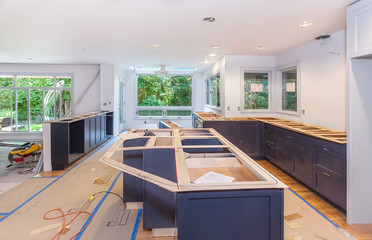
After the design has been finalized, the renovation process moves into the preparation phase. This stage involves removing old fixtures, cabinets, and appliances to create a clean foundation for the new kitchen.

Demolition must be carried out carefully to avoid damaging structural components or plumbing systems. During this phase, walls, flooring, and cabinetry are often removed to make room for new installations.

Once the old materials are removed, the structure of the kitchen can be evaluated. This step allows professionals to inspect plumbing lines, electrical systems, and support structures. If repairs or upgrades are needed, they can be addressed before the installation phase begins.

Preparing the space may also involve leveling floors, repairing walls, or updating electrical wiring. These improvements ensure that the new kitchen components will be installed safely and securely.

Although this stage can temporarily create disruption, it is an essential part of building a strong and reliable foundation for the renovation.

Step Three: Installing Structural Elements and Utilities

With the space prepared, the next phase focuses on installing essential structural and utility components. This step ensures that the kitchen functions properly once the renovation is complete.

Electrical systems are updated to support modern appliances and lighting. Kitchens today often require additional outlets and dedicated circuits to power advanced equipment. Proper electrical installation ensures both safety and efficiency.

Plumbing systems are also inspected and modified if necessary. Sinks, dishwashers, and refrigerators with water connections must be installed with precision to prevent leaks and maintain reliable operation.

Ventilation systems play an important role in maintaining air quality within the kitchen. Installing or upgrading ventilation helps remove cooking odors, smoke, and excess heat.

Structural adjustments may also be made during this stage. In some renovations, walls are modified or removed to create a more open layout. These changes can make the kitchen feel larger and more connected to surrounding living areas.

Completing these foundational elements ensures that the kitchen is prepared for the installation of cabinets and finishes.

Step Four: Cabinetry and Countertop Installation

Cabinetry plays a central role in both the appearance and functionality of a kitchen. During this stage of the renovation process, cabinets are carefully installed according to the design plan.

Proper cabinet installation ensures that storage spaces are aligned correctly and securely mounted. Cabinets must be level and evenly spaced to support countertops and appliances.

Once the cabinetry is in place, countertops are installed. Countertops serve as the primary workspace for food preparation and cooking. Materials are selected for durability, ease of maintenance, and visual appeal.

Countertop installation requires precise measurements and careful handling to ensure a seamless fit. The finished surface must align perfectly with cabinets and appliances to create a cohesive design.

This stage significantly transforms the appearance of the kitchen. With cabinets and countertops installed, the space begins to resemble the final design.

Step Five: Flooring, Lighting, and Finishing Touches

The final stage of the kitchen renovation process focuses on completing the details that bring the entire design together. Flooring installation provides a durable and attractive foundation for the space.

Kitchen flooring must withstand heavy foot traffic, spills, and temperature changes. Durable materials are chosen to maintain both safety and appearance over time.

Lighting installation enhances both functionality and ambiance. Overhead lights provide general illumination, while task lighting under cabinets improves visibility during food preparation.

Backsplashes are also installed during this stage. These surfaces protect walls from splashes and stains while adding decorative elements to the design. Backsplashes often serve as focal points that complement countertops and cabinetry.

Appliances such as ovens, refrigerators, and dishwashers are then installed and connected to utilities. Proper installation ensures that each appliance operates efficiently and safely.

Finally, finishing touches such as hardware, paint, and decorative accents complete the renovation. These details contribute to the overall style and personality of the kitchen.

Conclusion: Creating a Kitchen That Supports Modern Living

The kitchen renovation process involves careful planning, skilled installation, and thoughtful design. From initial planning and demolition to cabinetry installation and final finishing touches, each stage plays an important role in transforming the space.

A well executed renovation improves both the functionality and beauty of the kitchen. It creates a space where cooking becomes easier, gatherings become more enjoyable, and daily routines feel more comfortable.

By approaching the renovation process with patience and attention to detail, homeowners can create a kitchen that not only meets their needs today but continues to serve as the heart of the home for many years to come.

Why DIY Water Damage Remediation Can Be Risky

Water Damage Remediation Salt Lake City

If you are experiencing a water leak or have been hit by severe flooding, it is important to call in the professionals right away. Trying to handle the situation on your own can lead to more damage, health risks and costly repairs down the line.

From hidden mold to safety issues, there are a number of reasons why DIY water damage cleanup can be risky. Contact Water Damage Remediation Salt Lake City for more information.

Health Hazards

Whether due to a burst pipe, overflowing washing machine, or flooding caused by stormy weather in Fort Myers, water damage must be addressed quickly to avoid long-term issues like structural damage and mold growth. It’s also important to understand the health hazards that can result from untreated water damage.

Professionals follow industry-standard procedures to ensure that all affected materials are properly dried and sanitized. This process can help prevent costly repair costs down the line, and it may even save homeowners money on insurance claims in the future. In comparison, DIY restoration often leads to incomplete drying and sanitization. This can lead to the development of mold and other harmful contaminants, which will require expensive repairs and potentially pose significant health risks for the home’s occupants.

Insufficient drying and sanitization can also create ideal conditions for the growth of hazardous microbes, such as bacteria, mold spores, and mildew. These pollutants can cause a variety of health effects, including respiratory irritation, allergies, asthma aggravation, and other immune system impacts. The presence of these organisms can also impact the indoor air quality, causing respiratory distress for vulnerable individuals, such as children and the elderly.

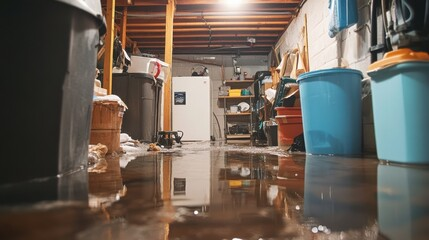
Water damage can be divided into categories based on the source and extent of contamination. Clean water damage is categorized as Category 1 and includes sanitary sources like rain or melting snow. Grey water, on the other hand, contains contaminants that could potentially pose a threat to health and is usually the result of appliance leaks or overflowing sinks or bathtubs. Black water, the most serious type of contamination, is usually the result of sewage or chemical spills and can cause a wide range of health problems and severe property damage.

Attempting to handle any type of water damage without the proper training and equipment can lead to dangerous conditions for you and your family. Using standard household cleanup tools such as mops or towels can only handle the surface level of water, ignoring hidden moisture trapped within porous materials like wood, drywall, and insulation. This moisture can wreak havoc on your property over time, resulting in additional moisture and mold growth, and leading to costly repair and insurance claims down the line.

Insurance Issues

Whether caused by a burst pipe, a flood, or a natural disaster, water damage is one of the most common home repair issues that many homeowners encounter. With so many DIY guides and tutorials available, it can be tempting to save money by handling the repairs yourself. However, attempting to handle water damage restoration without the help of professionals can actually make matters worse.

Besides potentially damaging your property and leading to further health hazards, it could also impact your insurance claim and reduce your payout. When it comes to water damage restoration, your insurance company will typically want to inspect the affected area before any repairs are made. This allows them to assess the extent of the damage and determine how much coverage you will receive for repairs. If you make any repairs before your insurer visits, they may deny your claim or limit the amount of coverage you will receive for repairs.

The first step in the water damage restoration process is to evacuate flooded areas and take precautions to protect yourself. This means evacuating the impacted areas and wearing protective equipment such as boots and gloves. If possible, you should also try to preserve as much of your belongings as possible by removing them from the flooded area and taking measures to dry them, such as renting fans or dehumidifiers. If you can’t protect your belongings, you should at least hire a professional moving company to store them while repairs are being done.

If you choose to use a professional mover, they will usually provide storage containers that can be kept on your property or stored offsite in a secure facility until the time for repairs is ready. These containers are a convenient way to keep your belongings safe, clean, and dry while you wait for repairs to be completed.

Water damage restoration is a multi-step process that involves identifying and halting further damage, removing excess water, drying the affected area, cleaning and sanitizing to prevent mold growth, and repairing the damaged materials. Attempting to handle these tasks yourself can result in hidden damage, improper drying that leads to mold, and exposure to harmful contaminants.

Time Consuming

Water damage restoration is a complex process that involves identifying and stopping the source of the problem, draining the excess water, drying and dehumidifying the affected areas, cleaning and sanitizing to prevent mold growth, and finally, restoring and repairing any damage caused by the water. If not done properly, water damage can have a devastating impact on your home or business. It can weaken the structure, ruin personal belongings, cause structural damage, and even create a favorable environment for harmful bacteria and other contaminants to thrive in. It can also lead to a number of health problems, including allergic reactions and respiratory issues.

Unfortunately, water damage restoration is a lengthy and time-consuming task that requires special knowledge and skills to perform correctly. Without the proper training, it is easy to overlook critical steps in the restoration process, leading to further damage and costly long-term repairs. Additionally, it may take several days or weeks to complete the restoration process, which can disrupt your daily routine and leave your home vulnerable to additional damage.

It is important to move quickly in a water damage situation. In some cases, the longer you wait to take action, the worse the damage will be. This is especially true for black water damage, which results from sewage backups or storm floods and can contain harmful pathogens that pose severe health risks. It only takes 48 hours for this type of water to begin penetrating wood, causing walls and ceilings to swell, and damaging electronics.

Hiring a professional water restoration company is the best way to ensure that the restoration process is carried out thoroughly and effectively. Professionals use advanced equipment to detect hidden moisture, dry out affected areas, and remove excess water and humidity quickly. This can significantly reduce the risk of secondary damage and improve the overall quality of the restoration work. Additionally, professionals are able to provide documentation of the restoration process, which can be helpful for insurance purposes. Water damage restoration is a complicated and time-consuming process, so it’s important to hire the right team to get the job done.

Structural Damage

The extent of water damage to a home can be difficult to detect at first. Even if the visible surface of carpeting, drywall or wood appears dry, there may be deep moisture that requires special equipment to reveal. Hidden moisture can lead to mold growth, wood rot and structural damage that will only become apparent at a later date. Ultimately, these issues could require expensive repair work and may lower the value of your home. Professional restoration is the best choice to minimize long-term damage and save money in the long run.

Structural damage is a major consideration in the DIY versus professional water damage restoration decision, especially in Florida where warm temperatures and hurricane risk create unique conditions for accelerated water damage. Saturated drywall and flooring can collapse or become unstable, leading to weakened walls, warped floors and sagging ceilings. Unless properly identified and dried, these structural risks can cause serious safety hazards for homeowners and their families.

Another key factor is the type of water that is causing the damage. While minor clean water incidents caught promptly can often be handled by homeowners, the nature of contaminated or black water requires professional intervention due to health and safety concerns.

The duration of exposure to the water is also critical. Water that has been present for 24 to 48 hours promotes mold growth and bacterial multiplication, especially in Florida’s warm, humid environment. This swell of toxins can be extremely harmful to people and pets, as well as the building’s structural integrity.

Water Damage Restoration Professionals Have the Proper Tools

The right tools for successful restoration involve more than just water extraction and removal. In addition to standard cleaning and drying techniques, professional restoration services utilize specialized moisture detection equipment to identify areas of hidden moisture that are often missed by homeowners using DIY methods. These areas are often found behind walls, under baseboards and in HVAC systems. Without proper inspection and remediation, these areas can become a breeding ground for mold, wood rot and other dangerous contaminants that threaten the health and safety of your family.